
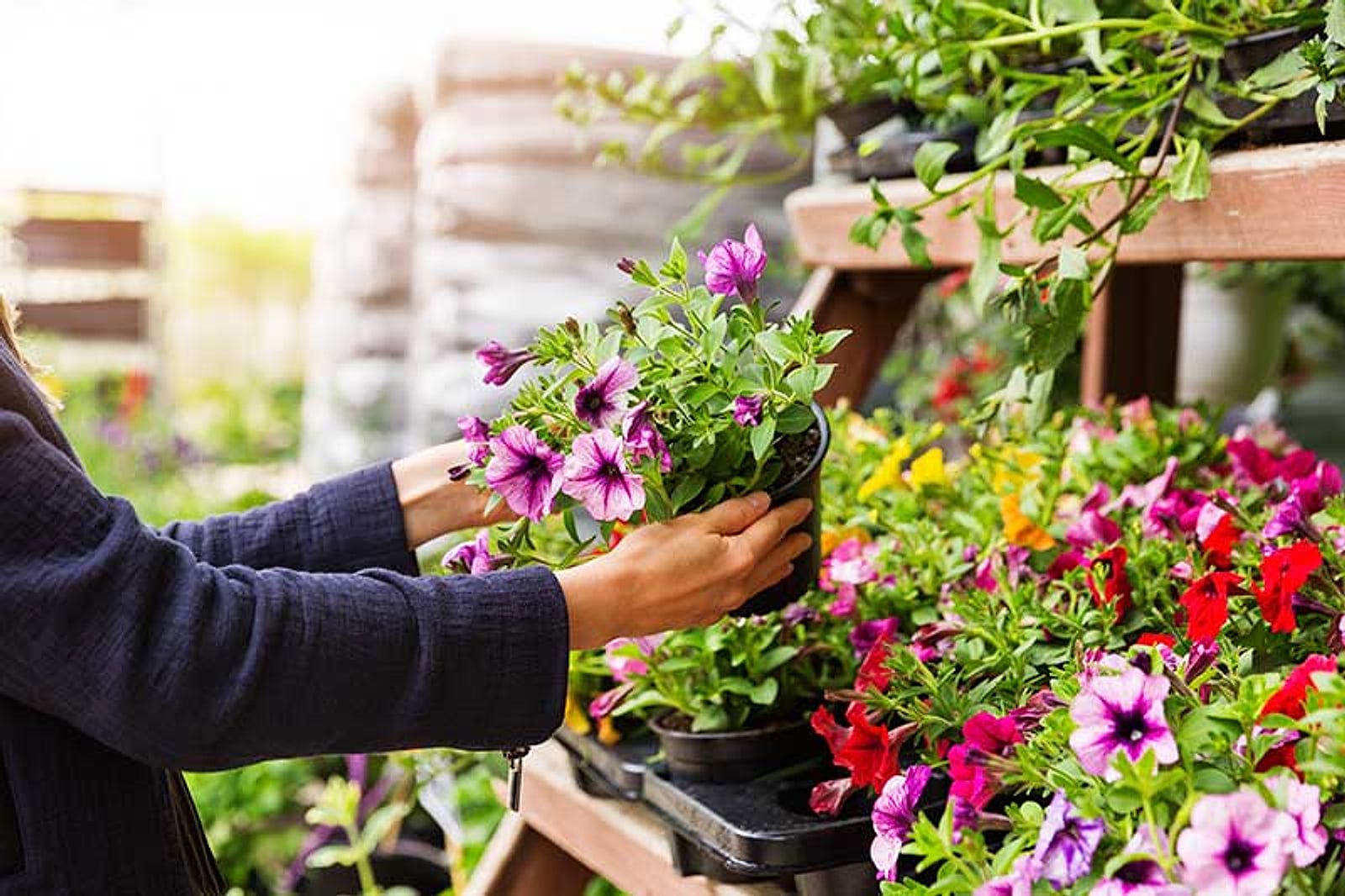
Balcony Gardening: Growing in Containers
Choosing a Pot: Size, Material and Drainage
The first rule of balcony gardening is simple: too-small pots are the most common mistake. Crowded roots heat up fast, dry out fast and produce weak plants. Herbs do fine in pots 20–25 cm wide, but tomatoes, peppers or a rose bush need at least 30–40 litres of soil volume.
Material matters just as much. Terracotta and fired-clay pots breathe well and shield roots from extreme heat, but dry out more quickly. Plastic pots hold moisture longer and are particularly well-suited to the Israeli summer — choose light colours that will not absorb heat. Recycled wood and aluminium planters add aesthetic appeal and sit in the middle ground for moisture retention.
- Make sure there is at least one drainage hole at the bottom — two or three is better.
- Place a saucer underneath, but empty it of standing water after watering to prevent root rot.
- A layer of gravel or broken pottery shards at the bottom is an old idea that research has shown to be unhelpful. Fill soil all the way down and let the drainage holes do the work.
Potting Mix: Not Soil from the Garden
Regular garden soil is not suitable for containers — it compacts, hardens and drains poorly in a closed vessel. Use a ready-made potting mix based on peat, perlite and compost. This kind of mix is lightweight, well-aerated and holds moisture evenly.
For vegetables and herbs, it is worth blending in about 20% mature compost — it enriches nutrient content and improves soil structure. For succulents and Mediterranean herbs like oregano, thyme and lavender, add 20–30% coarse sand or perlite instead to sharpen drainage, since these plants strongly dislike sitting in wet soil.
Do not fill the pot all the way to the rim — leave 2–3 cm of space at the top so water does not run off before the soil has a chance to absorb it.
Sun Exposure: Read Your Balcony Before You Plant
Not all balconies are created equal. A south-facing open balcony can receive 8–10 hours of direct sun in summer — ideal for tomatoes and peppers, but it will scorch delicate herbs without a little shade after 14:00. A north-facing balcony in shade for most of the day suits leafy greens, mint, and even flowering geraniums.
Spend a week observing before you plant: note exactly how many hours of direct sunlight each spot on the balcony actually receives. Partition walls, awnings and an upstairs neighbour's floor can cut sun hours in surprising ways. A rough guide: 6 or more hours of direct sun — tomatoes and fruiting vegetables; 3–6 hours — herbs, leafy greens, peppers; fewer than 3 hours — choose shade-tolerant plants such as fittonia and ferns.
Watering: Why Containers Dry Out Fast and What to Do
A container is exposed to air on all sides — moisture evaporates through the pot walls and from the soil surface, and there is no groundwater to rescue a thirsty plant. On a hot khamsin day with temperatures of 38–40 degrees, a small pot can dry out in just a few hours.
The best way to judge when to water: push a finger into the soil up to the first knuckle. If it feels moist, wait. If dry, water now. In summer, most vegetables and herbs will need watering twice a day (morning and late afternoon), while in winter every few days is usually enough. Water slowly and thoroughly until you see water dripping from the drainage holes. Avoid watering during the hottest midday hours.
A 2–3 cm layer of mulch over the soil surface (bark chips, straw or decorative gravel) reduces evaporation by 30–40% and keeps moisture in the pot much longer between waterings.
What to Grow: Herbs, Vegetables and Flowers That Thrive in Pots
Herbs are the perfect entry point to balcony gardening. Basil, mint, parsley, coriander, oregano, thyme and rosemary all grow well in pots 20–30 cm wide. Basil and mint like frequent watering; oregano, thyme and rosemary prefer to dry out slightly between waterings.
Among vegetables, cherry tomatoes, peppers and miniature cucumbers excel in large containers with support. Loose-leaf lettuce and spinach grow quickly and can be harvested leaf by leaf repeatedly. Carrots and turnips suit deep pots (30 cm or more). For flowers, geraniums, petunias, lantana, zinnias and salvias are colourful, resilient, and attract the pollinators that benefit nearby vegetables too.
- Position herbs right next to the kitchen door — you will use them far more often when they are within arm's reach.
- Mix flowers in among vegetables — they attract pollinators that improve fruit set.
- For coriander and parsley, sow a fresh batch every 4–6 weeks for a continuous harvest throughout the season.
Feeding Container Plants: Fertilise Wisely
A ready-made potting mix typically contains enough fertiliser for only 4–6 weeks. After that, your plants depend entirely on you. Containers lose nutrients faster than open garden beds — every watering washes some minerals away.
Balanced liquid fertilisers added to the water every two weeks during the growing season (spring through summer) work best. For flowering plants and fruiting vegetables, look for a formulation with relatively high potassium to encourage blooms and fruit. For herbs and leafy greens, a basic balanced feed is perfectly sufficient. In winter, when plants are dormant, reduce feeding to once a month at most.
Less is more: over-fertilising burns roots and produces a sadder-looking plant than under-fertilising would. Follow the dosage on the packaging and never double the recommended amount.