
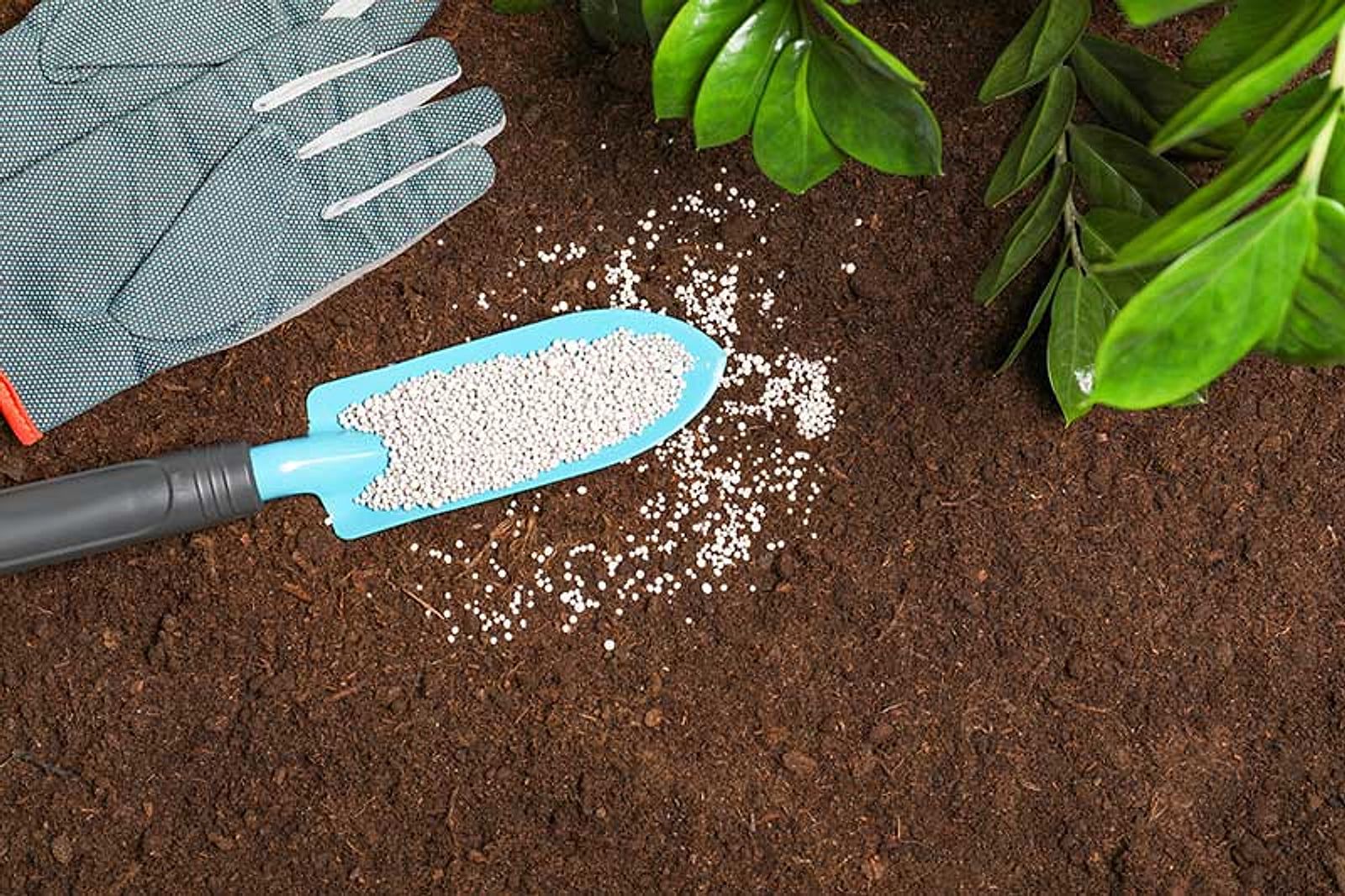
Organic Fertilizing for Your Garden — What Actually Works
Organic or Chemical — What's the Real Difference?
A fertilizer is any substance that supplies a plant with the nutrients it needs to grow. The difference between organic and synthetic is not in the NPK numbers — a plant cannot tell whether its nitrogen came from compost or a factory. The difference is in how the nutrients reach the roots, and what happens to the soil along the way.
Chemical (mineral) fertilizers dissolve quickly and are available to the plant almost immediately — but they wash out easily, contribute nothing to soil life, and when over-applied they burn roots. Organic fertilizers — compost, olive-press cake, seaweed, aged chicken manure — break down slowly. They feed the soil bacteria that in turn feed the plant, improve soil structure, and boost moisture retention. For most home gardens, a sensible combination of both is the most practical approach.
NPK in Plain Language
Every fertilizer bag shows three numbers, for example 5-3-2 or 12-6-4. They represent the percentages of the three major nutrients:
- N (Nitrogen) — the engine of green growth. Leaves, stems, lawn. Nitrogen-deficient plants turn yellow.
- P (Phosphorus) — strong roots, abundant flowering, fruit set. Especially important at planting time.
- K (Potassium) — overall resilience, heat and disease tolerance, fruit quality. Think of it as the plant's immune system.
As a rough guide: a high first number (N) means a growth-focused fertilizer; a high third number (K) points to strength and fruiting. For an average home garden, a balanced fertilizer with similar numbers across all three is the right starting point.
When to Fertilize — Following Nature's Rhythm
Timing matters as much as the product you choose. In an Israeli garden, the main fertilizing season begins in late February to early March, when temperatures rise and roots wake from their winter rest. This is the moment to drive growth.
In summer, fertilize lightly if at all. Plants are focused on survival, not rapid growth, and a nitrogen-rich feed at 38°C does more harm than good. In autumn, before the rains arrive, you can spread compost as a mulch layer and give a potassium boost to build resilience ahead of the coming summer. In winter, fertilizing is usually unnecessary.
Golden rule: fertilize when the plant is actively growing — not when it is heat-stressed, thirsty, or sick. Feeding a stressed plant makes things worse, not better.
Slow-Release Fertilizers — Patience That Pays Off
Slow-release fertilizers are one of the most practical inventions for the home gardener. They are coated with a membrane that dissolves gradually over 3–6 months depending on temperature and watering, releasing nutrients at a pace the plant can absorb. Fewer applications, less leaching, and a much lower risk of burning.
The organic equivalent of slow-release is homemade compost. Mature compost worked into the soil in early spring continues to supply nutrients throughout the growing season. It is not fast — but the soil it leaves behind is richer, better aerated, and holds moisture far more effectively.
Different Plants, Different Needs
Lawn: lawns love nitrogen. Three to four applications a year, with the emphasis on spring and after summer. Use a dedicated lawn fertilizer, quick or slow release. In summer, go minimal.
Shrubs and ornamental trees: once or twice a year is enough for most. Spring for growth, compost in autumn if you like. Mature trees that have been running for years without fertilizer are usually fine — don't feed them just because it seems like the right thing to do.
Fruit trees: match the feed to the stage. Before flowering — phosphorus for support. After flowering and during fruit development — potassium for quality and ripening. Excess nitrogen in summer produces lush foliage at the expense of fruit. Lemon, avocado, and citrus trees are prone to iron deficiency (chlorosis) — chelated iron is the answer there, not standard fertilizer.
The Hidden Danger: Over-Fertilizing
"A little extra can't hurt" is one of the most common mistakes in the garden. Over-fertilizing burns roots through excess salt drawing moisture out of cells, produces soft lush growth that is far more vulnerable to pests and disease, pollutes groundwater as nitrates leach through, and can kill a healthy plant in days.
Warning signs: scorched leaf tips, a surge of foliage with no flowers, a sharp ammonia smell from the soil. If you spot these signs, water deeply to flush the excess, and stop fertilizing until the plant recovers.
The dosage on the bag is your starting point, not a minimum to exceed. A garden with compost-rich soil needs far less added fertilizer than one with depleted ground. Read your garden as it is — and add accordingly.