
Preparing Your Garden for Winter
When to Start — Reading Your Garden's Signals
In Israel, winter arrives gradually: nights cool slowly and the first rains generally come between October and November. The garden senses the change before we announce it — leaves slow down, growth eases, and some plants begin to rest. This is the moment to step back and assess what needs protection, what needs pruning, and what is ready to burst back into life from the soil.
Do not wait for the first heavy downpour — it is better to prepare two weeks in advance. A plant that enters the wet season unprepared is far more vulnerable to fungal disease, root rot, and cold damage.
Irrigation — Adjusting Your Timers as the Rains Begin
A common mistake is leaving the summer irrigation programme running once the rains arrive. You end up quietly waterlogging your soil without realising it. When weekly rainfall consistently exceeds 15–20 mm, it is wise to drop to a significantly lower frequency — typically twice a week for garden beds, and even less for established trees and shrubs.
- Check your irrigation controller and update the schedule — aim for early morning runs so leaves have time to dry before nightfall.
- In a particularly wet winter, consider switching the automatic system off entirely for stretches of days and relying on rainfall.
- If you have a rain sensor, verify its settings — it is sometimes calibrated in a way that does not actually trigger a shut-off.
Tip: Potted plants dry out faster than those in open ground, even in winter — monitor them separately and keep them on their own watering schedule.
Pruning — What, When, and How to Cut
Winter pruning is one of the most confusing topics for home gardeners. The simple rule: deciduous fruit trees (apple, pear, plum) are pruned at the height of their winter dormancy — January to February, when bare and before buds swell. Ornamental shrubs and herbaceous perennials can be cut back in late autumn, once growth has stopped.
Cold-sensitive plants such as bougainvillea, plumeria, and other tropicals should not be pruned until after the last cold spells have passed — pruning stimulates tender new growth. Wait until after the cold waves of February–March have cleared. Dead, broken, or diseased branches can and should be removed at any time — they are a potential focus for fungal infection.
Always use sharp, clean tools: blunt blades crush tissue rather than cutting it cleanly, and dirty tools can spread disease from plant to plant. Wipe pruner blades between plants with a cloth soaked in alcohol.
Planting Winter Annuals — The Flowering Season Waiting for You
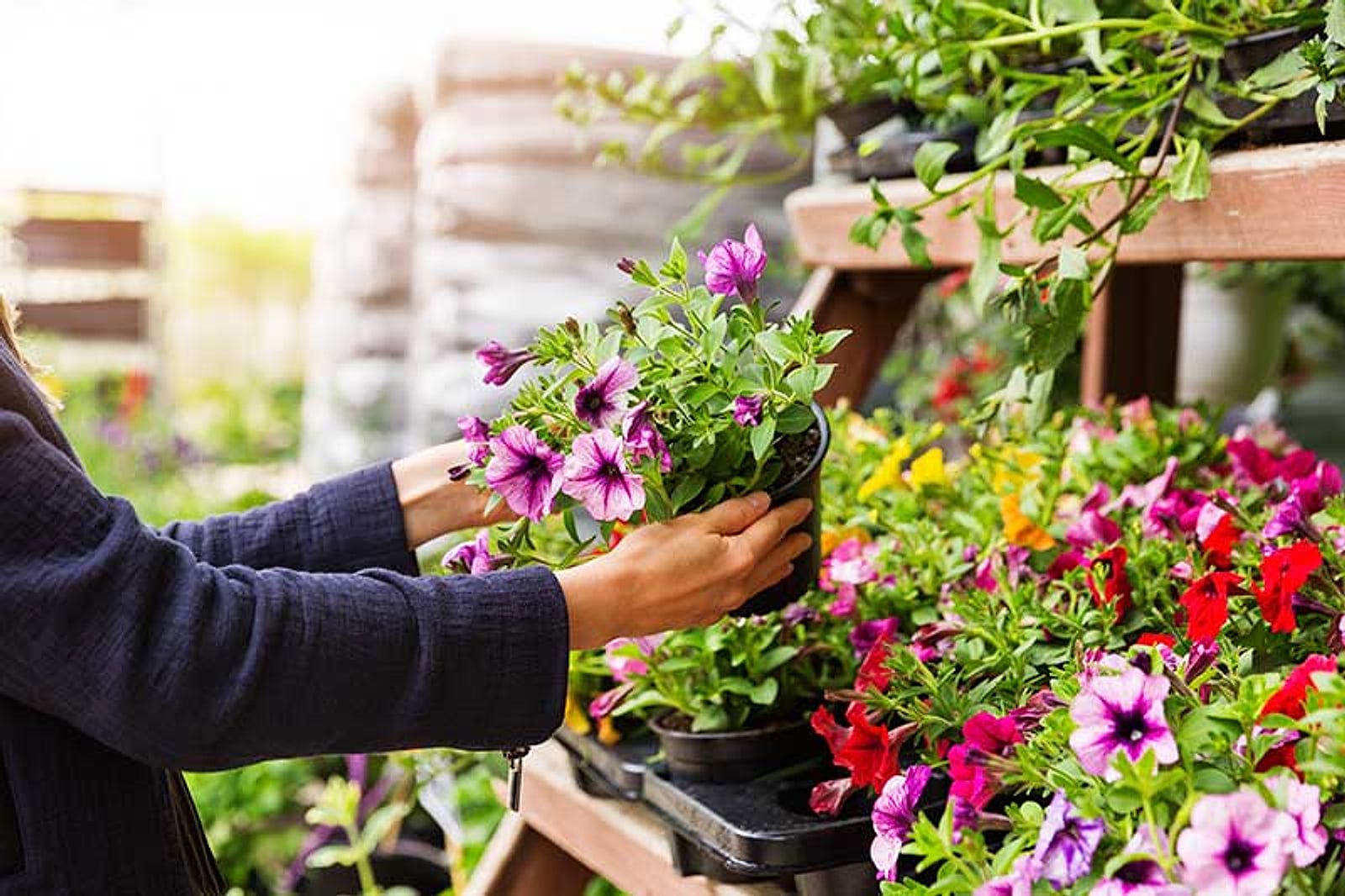
The Israeli winter is not the frozen season familiar from northern Europe — it is the flowering season for some wonderful annuals. October and November are the time to plant pansies, cyclamen, nasturtium, larkspur, poppy, anemone, and ranunculus. They will develop slowly through winter and burst into vivid colour between February and April.
Prepare planting beds in advance: improve the soil with compost, confirm drainage is adequate, and only then plant. Planting into heavy, poorly drained soil leads to root rot — the next section addresses this directly.
Drainage and Root Rot — Winter's Silent Enemy
Heavy rains expose drainage weaknesses you never knew existed. Soil that holds water around the root crown for hours at a time is a reliable recipe for rot. Before the rainy season, walk your garden and look for low spots where water tends to pool.
- Improve drainage in heavy soil by working in coarse sand or perlite when preparing beds before planting.
- For pots, make sure every container has open drainage holes and is not sitting in a saucer full of standing water.
- For trees and shrubs, ensure a small mound of soil directs water away from the trunk base rather than pooling against it.
Mulching, Protecting Sensitive Plants, and Putting Tools Away
A 5–8 cm layer of mulch — bark chips, straw, or crushed dry leaves — spread over the soil surface works wonders: it retains soil warmth on cold nights, slows moisture loss, suppresses weeds, and improves soil structure as it breaks down. Apply mulch around ornamental shrubs, winter vegetable beds, and young trees — but keep it clear of direct contact with stems and trunks.
Particularly cold-sensitive tropical plants (plumeria, hibiscus, banana in higher-elevation areas) can be wrapped in horticultural fleece on the coldest nights or moved indoors. Potted specimens growing in the garden are worth relocating to a more sheltered spot when cold snaps threaten.
Finally, after the long summer season, your tools deserve attention: scrub off soil, apply a thin coat of linseed oil to metal blades to prevent rust, sharpen pruners and hoe edges, and store everything in a dry place — preferably hanging so blades do not rest on the floor. Tools that are properly cared for last for decades.
Remember: a garden prepared for winter is a garden that will bloom at Passover. The small investment of effort now is your ticket to a colourful spring.